
Trademarks are not a sexy part of marketing and often are not top-of-mind. Yet, logo development and trademark protection/ongoing management are extremely important for the commercial success of business organizations.
Specifically, who is in charge of and managing your company’s trademarks and logos? Who is/are the decision-makers? Is there an effective management policy?
Like other business fundamentals, ignore or neglect at your own peril.
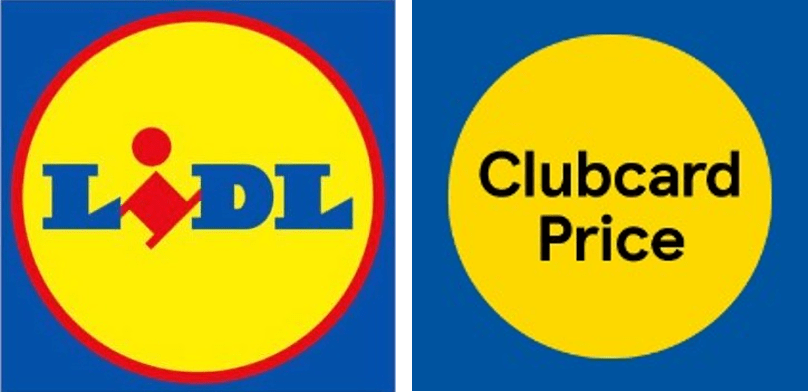
Before we get into some pointers for success, let’s use the current UK legal battle between international food retailers Lidl and Tesco to highlight and reinforce the importance of logos and trademarks.



In UK court, Lidl successfully sued Tesco for trademark infringement and won. The issue was the use of a yellow circle on a blue background. The court ruled that Tesco’s graphic, used to promote its Clubcard product prices in store and online, infringed Lidl’s mark. They won a second time with an injunction to end Tesco’s use, although that won’t go into effect until the legal appeals are adjudicated. You can read a good summary here.
My purpose isn’t to debate how trademark law is interpreted in the UK. Instead, this example is a good springboard into a discussion about trademark and logo management. I want to share some guideline philosophies and practices that I’ve put into effect while heading the global marketing function for international companies. The entire trademark process – investigating, obtaining, maintaining, protecting – can be tedious, time consuming and even annoying. But it is essential.
7 Tips for Trademark Management Policy
- Search and Investigate. Before filing applications, conduct searches in your target geography. This will help to optimize decision-making and minimize wasting time and money. As you narrow your list, consider cultural sensitivity reviews to help avoid missteps.
- Give Proper Attention. Trademarks and logos should be treated seriously and with a high level of thought and diligence.
- Define Accountability. Marketing should have trademark management responsibility in conjunction with the in-house legal team.
- Handle at High Level. Decision-making should be with senior leaders.
- Use Trademark Experts. Utilize external counsel trademark experts and forge a good working relationship with those extended members of your team.
- Understand the Reality, Which May Not Make Sense. There can be a difference between what you think is a common sense business assessment and how trademark law is applied in a particular geographic jurisdiction.
- Collaborate. Understand current business direction and future plans and how that could impact trademarks. Dialogue with commercial (sales) colleagues can provide essential input.
3 Action Step Pointers
- Check Competitor Logos. For logo development efficiency, apply a practical marketing discipline step on the front end. Prepare a brief for the designers that outlines your specific objectives and requirements, and include a section showing what logos are in use by competitors.
- Trademark or Don’t Trademark. For trademarks, not every logo or symbol or seal requires the initial and ongoing investment for trademark protection. The costs for trademarks add up very fast when applied across multiple countries and multiple trademark classes. Trademarks for major product and service lines should be protected.
- Review and Maintain. Once you have a portfolio of registered trademarks, work with your legal team to agree and then institute a regular system of review and maintenance. The process can and should vary depending on the number of marks being managed, the size of the company, management layers and overall style of decision-making at the company.
For example, a system I put in place for a trademark portfolio of dozens of global registrations required CEO approval before any trademark was abandoned in a particular geography (meaning we were not going to pay for renewal). My view was that trademarks were such an important company asset that the CEO should have the benefit of an abandonment veto.
It was a simple process. I sent an email saying we were not going to renew “X” and explained why, and to let us know if there was an objection. Prior to checking with the CEO, I consulted with relevant colleagues, especially sales, to make sure we captured the latest thinking about current and future business plans and how that might impact keeping or not keeping a particular trademark. Even after doing all this homework, the CEO often had questions or comments that required further checking before the decision was ratified (usually).
You may be thinking this kind of effort is too much and isn’t really necessary. However, better the extra layer of discipline insurance than the alternative. After all, you want to win, and you wouldn’t be investing in trademarks if you didn’t think it was an important success factor. Of course, there are no guarantees in business, and even with best practice trademark action steps, there could be an off result. Nevertheless, control what you can control and make the best, informed decisions.
Harvey Chimoff is a global marketing executive whose experience and expertise span consumer packaged-goods brand management, B2B manufacturing, and plug-in marketing leader consulting. He is a customer-focused leader who connects marketing across the organization to drive performance and achieve business objectives. Harvey is the author of the new book Strategy First, Then Tactics.® How Practical Marketing Discipline Provides the Winning Edge, available on Amazon. Contact him at HarveyChimoff.com.
 harveychimoff.com
Leave a comment